A senior move is different from a typical move, and the difference isn't just physical. If you're helping an aging parent downsize, transition to assisted living, or move closer to family, you're navigating logistics, emotions, and decisions that don't fit a typical moving timeline. Here's what a dedicated senior moving service actually does, and why it can be worth every dollar.
The Unique Challenges of a Senior Move
Most moves are stressful in a defined way: pack, transport, unpack, done. Senior moves are different because they usually involve:
- Downsizing from decades in the same home. Every item has a story.
- Physical limitations. Stairs, boxes, and long unpacking days are hard on older bodies.
- Emotional weight. Leaving a home where you raised kids or lost a spouse is not the same as moving from one apartment to another.
- Family coordination. Adult children are often juggling their own jobs and families while trying to help.
- Facility-specific requirements. Assisted living and memory care communities have strict rules about furniture sizes, move-in windows, and approved items.
A professional senior moving service is designed around these realities.
What a Senior Moving Service Actually Does
1. Patient Pacing
A typical residential move runs on crew efficiency: how fast can we load the truck. A senior move runs on the client's comfort. The crew moves at a pace that doesn't overwhelm, takes breaks when needed, and communicates often. If the move needs to be split across two days, it gets split. No rushing.
2. Help With Sorting and Downsizing
Moving from a 3-bedroom house to a 1-bedroom apartment means deciding what stays, what goes to family, what gets donated, and what gets sold. A good senior moving service helps with this process, providing structure and logistics support without pressuring decisions. Some services coordinate directly with estate sale companies, donation pickups, and junk haulers.
3. Family Coordination
Adult children often live in another state. A senior moving service acts as a single point of contact, working with the parent on site, updating the family by phone or email, and making sure nothing falls through the cracks. This alone can save families hundreds of hours of phone calls and travel.
4. Facility Coordination
Assisted living communities typically have:
- Specific move-in windows (often weekday mornings)
- Elevator reservation requirements
- Rules about furniture sizes and types
- Documentation requirements (Certificate of Insurance, etc.)
A senior moving service handles this directly with the community. Your parent (or you) doesn't have to navigate a facility manager's voicemail.
5. Unpacking and Setup
This is where senior moving services stand apart. The goal isn't to deliver boxes. It's to deliver a home that's ready to live in. That means:
- Furniture placed according to the new floor plan
- Clothing hung in closets
- Kitchen items put away in logical spots
- Bathroom organized and stocked
- Bed made
At Quality Moving & Storage, we finish senior moves with the bed made and the home organized. Your loved one doesn't walk in to a pile of boxes. They walk in to a home.
6. Overflow Storage
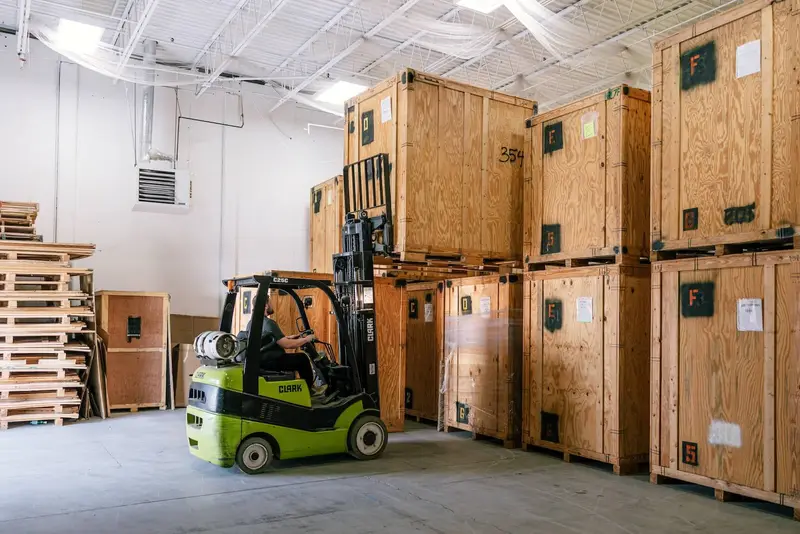
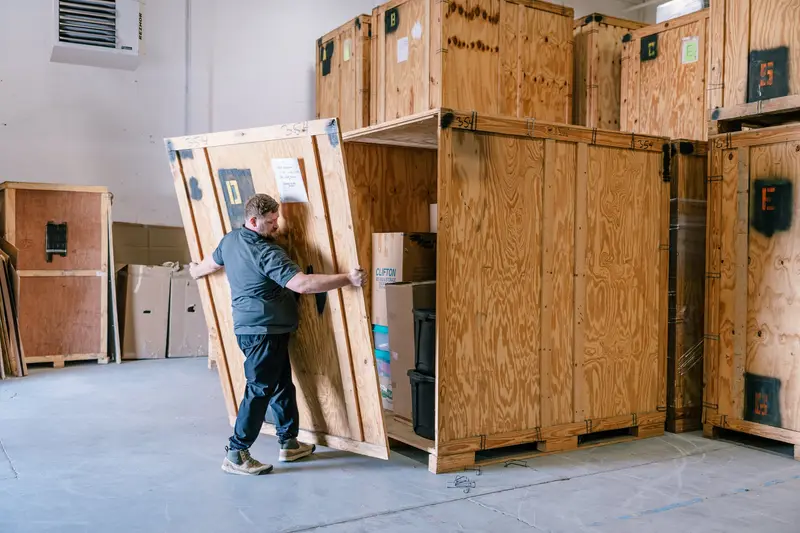
Decisions about what to keep don't always happen on move day. Sometimes it's easier to store items for a few weeks or months while decisions get made about what a grandchild wants, what an estate sale will handle, or what stays with family. Climate-controlled storage that's part of the moving service makes this simple.

Why Not Just Hire a Regular Moving Company?
Regular movers are great at moving. They're typically not trained for:
- The emotional reality of downsizing
- Patient pacing with clients who need breaks
- Coordination with assisted living staff
- Estate-level decisions about heirlooms
- The full "make the bed" unpacking that turns an apartment into a home
Some regular movers will try to accommodate these needs, but they're not built around them. A senior moving service treats them as standard.
Common Scenarios Where Senior Moving Helps
- Long-time home to assisted living. The most common scenario. Downsizing + facility coordination + emotional transition all in one.
- Moving closer to adult children. Often cross-country. Requires long-distance logistics plus all the senior-specific considerations.
- Couple downsizing together. Different decision-making dynamics than a solo senior move.
- Surviving spouse relocating after a loss. Among the most emotionally demanding scenarios. Patience is everything.
- Estate transitions. When a senior has passed, families often need help clearing and moving items to multiple destinations (adult children in different cities, estate sale, donation).
How to Evaluate a Senior Moving Service
Ask:
- How do you train your crews for senior moves specifically?
- Do you have experience with assisted living communities in this area?
- How do you handle pacing if my parent needs more time?
- What does "unpacking" include? Do you put clothes in closets and make the bed?
- Can you help coordinate donations, estate sales, or junk removal?
- Do you offer storage during the transition if decisions aren't final?
The answers tell you whether you're hiring a moving company or a senior moving service.
The Bottom Line
A senior move done right leaves your parent settled, comfortable, and supported in their new home, and leaves you, as a family member, with far less stress than you'd have managing it alone. It costs more than a basic mover, but for most families, it's among the best services they hire during a difficult transition.
Helping a parent move? Get a free quote from Quality Moving & Storage. We've handled senior moves across Minnesota and Wisconsin for 30+ years, and we're happy to answer questions about your specific situation.